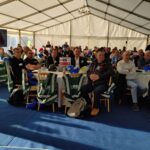
It might have been a bitterly cold winter’s day in East Yorkshire, but the welcome at Reds10’s Driffield site could not have been warmer. Delegates from across the country made the journey to one of the UK’s leading modular manufacturing facilities for the latest BOPAS Forum, demonstrating the continued pull of seeing Industrialised Construction in person.
Hosted by Reds10 and supported by BUILDOFFSITE and LRQA, the forum combined accreditation, insight and a behind-the-scenes look at offsite delivery. Despite the rise of online events, the day underlined that there is no substitute for walking the factory floor.
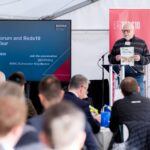
The day opened with introductions from BUILDOFFSITE industry adviser Ken Davie, who set out the shared mission behind BOPAS and BUILDOFFSITE: giving clients, funders and operators confidence that Industrialised Construction can deliver durable, high-quality assets at scale. Reds10 Managing Director, Ryan Geldard, followed with an overview of the company’s work across defence, justice, health, education and wider public sector programmes.
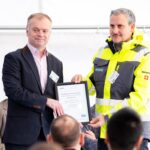
Geldard’s presentation showed how Reds10 uses a platform-based approach to deliver flexible external cladding, high levels of internal fit out within the factory and configurable designs that can serve multiple sectors without starting from scratch on every project. A key highlight of the morning was the formal recognition of HEMSPAN, who received their BOPAS accreditation and were presented with their certificate by Sean McCormick of LRQA – a clear signal that their system meets the rigorous durability and assurance standards demanded by funders and insurers.
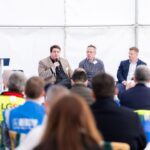
Terry Mundy chaired a panel session featuring Sam Stacey, Anthony Pearce, Richard Fox and Ryan Geldard. The central question was simple: what can residential and mixed-use schemes learn from the offsite programmes already transforming sectors such as defence, justice and health?
Several themes emerged. Early engagement between clients, designers, manufacturers and operators is essential if programmes are to accelerate while maintaining quality. Standardised platforms, refined across multiple projects, are delivering time savings and better outcomes. Operational input from end users and frontline staff is changing the finished product for the better, particularly where layout and usability are critical.
The panel agreed that residential, PBSA and regeneration schemes could unlock similar benefits if they embrace collaboration and treat each project as part of a learning system, not a one-off.
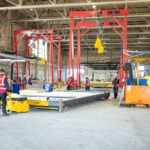
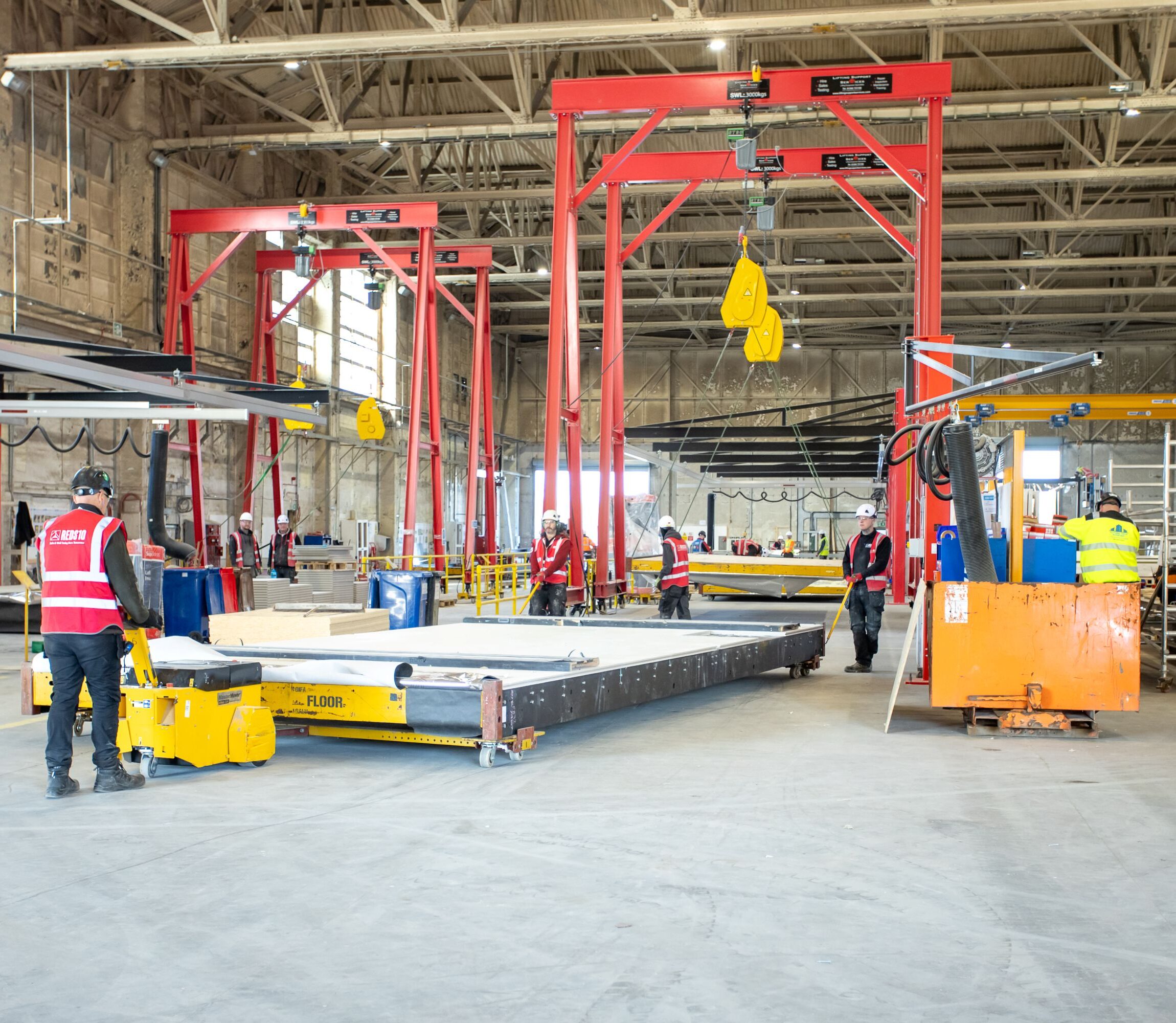
Before lunch, delegates joined guided tours of two of the four factory units on the Driffield site, as well as Reds10’s on-site apprentice training facility. The setting – former aircraft hangars repurposed as a manufacturing campus – underlined the scale of the operation and the degree of control that a factory environment offers.
On the factory floor, visitors saw high levels of pre-fitout taking place under cover, from partitions and finishes to mechanical and electrical installation. Modules for single living accommodation for the Armed Forces, both temporary and permanent, demonstrated how a common platform can flex to different operational needs. A prototype single-bed hospital ward, built to allow layouts to be tested with clinical teams, showed how real-world feedback can be designed in before wider roll-out.
Workforce for tomorrow
For many, the apprentice training department was a standout feature. Woodworking skills were being taught on site, with a pathway to recognised qualifications and long-term careers. It reinforced a message that ran throughout the day: industrialised construction is not about replacing people with machines; it is about creating better, safer, more skilled jobs.
The strong turnout sent a clear message: there is real appetite for in-person, site-based learning and for forums that connect the industrialised construction ecosystem. This forum showed the value of partnership in action – BOPAS providing assurance, HEMSPAN demonstrating successful accreditation, Reds10 delivering at scale and BUILDOFFSITE bringing the community together – and underlined that events like this are about more than a factory tour; they are about building a community of practice around MMC and helping offsite move into the mainstream.